Fujifilm Instax Mini LiPlay Breakdown: Hybrid Digital-Instant Specs
The Fujifilm Instax Mini LiPlay is a compact hybrid instant camera and portable Bluetooth printer that merges digital sensor capture with physical photochemical print development. By capturing frames digitally onto an internal image pipeline…

As Amazon Associates, we earn from qualifying purchases. This means we may receive a small commission at no extra cost to you if you click through and make a purchase.
The Fujifilm Instax Mini LiPlay is a compact hybrid instant camera and portable Bluetooth printer that merges digital sensor capture with physical photochemical print development. By capturing frames digitally onto an internal image pipeline before transferring them to instant film, this hybrid device gives creators total control over which photos get developed, functioning as an agile solution to traditional film waste. Our technical verdict: it offers the most cost-efficient entry into physical instant photography by pairing digital preview verification with dual-role smartphone printing, trading purely analog mechanical simplicity for modern hardware flexibility.
This hybrid camera suits mobile snapshot shooters, scrapbooking enthusiasts, and travelers who want the aesthetic appeal of instant prints without the risk of wasted emulsion caused by poor framing or missed exposure. It is also an ideal pocketable tool for smartphone photographers seeking an on-the-go photo printer. Conversely, analog purists who demand optical viewfinders, manual mechanical exposure gears, zero digital post-processing, or rugged weatherproof housings will find its consumer-grade chassis and automated digital architecture ill-suited to their creative workflow.

Spec sheet
Fujifilm Instax Mini LiPlay
- Device Architecture
- Hybrid Digital Instant Camera and Smartphone Printer
- Compatible Film Format
- Fujifilm Instax Mini (Color)
- Display / Viewfinder
- Rear Color LCD Screen
- Light Sensitivity Range
- ISO 100 to 6400 (Automatic)
- Minimum Shutter Speed
- 1/4 second
- Exposure Control
- Automatic Exposure System
- Wireless Interface
- Bluetooth Connectivity
- Dedicated Capture Modes
- Sound Mode, Remote Shooting
- Port Interface
- USB Type-C
- Environmental Protection
- Not Water Resistant
Figures as published by the manufacturer on the Amazon listing.
Digital Sensor Architecture and ISO Sensitivity Range
A rigorous inspection of the fujifilm instax mini liplay specs reveals a digital capture pipeline designed to overcome the strict dynamic range ceilings of traditional instant photography. Purely analog instant hardware relies on fixed emulsion speeds and limited aperture mechanisms, but the LiPlay deploys an active digital sensor capable of scaling across a wide instax mini liplay iso range of 100 to 6400. This expansive light sensitivity range operates under continuous automatic exposure control, allowing the camera processor to adjust signal gain across dynamic ambient environments without requiring physical neutral-density lens attachments.
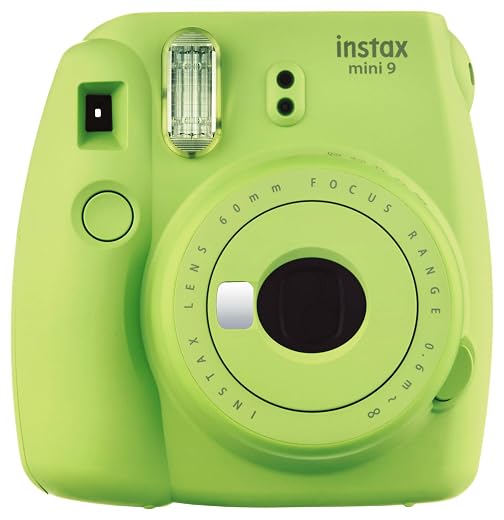
The shutter mechanism enforces a minimum shutter speed of 1/4 second, which sets the lower boundary for ambient light capture. In low-light interiors where a handheld 1/4-second exposure could otherwise introduce noticeable motion blur, the onboard processor leverages the upper boundary of the ISO 6400 range alongside the built-in flash to freeze action. Because the listing does not specify the exact megapixel resolution or sensor dimensions, the hardware should be evaluated by its output destination: the physical print. By digitizing the image before exposing it to the chemical sheet, the internal image processor stabilizes exposure values, preventing the blown highlights and crushed shadow patches commonly seen on purely analog units like the older instax mini camera 9.
Exposure balance is fully managed by onboard metering algorithms. While traditional instant cameras lock the user into strict shutter-aperture pairings, the automated metering on the LiPlay calculates luminance across the frame to calculate optimal flash output and digital amplification. The result is a consistent print density that maximizes the tonal limits of miniature instant chemistry, ensuring that bright backlighting or dark indoor corners do not immediately ruin a shot.
LCD Screen Framing and Selective Print Workflow
The primary mechanical differentiator of the instax mini liplay hybrid camera is its rear-mounted display. Traditional instant cameras force users to rely on misaligned optical tunnel viewfinders that produce severe parallax error at close distances. The instax mini liplay lcd screen replaces the optical glass with a real-time digital viewfinder, showing the exact frame boundaries, lighting balance, and digital color preview before a single milligram of development reagent is activated.
This digital-first architecture alters the cost equation of instant photography. In standard instant shooting, accidental shutter presses, blurred subjects, or uncooperative framing lead directly to wasted consumables. With the LiPlay, images are captured and held in temporary digital memory, allowing the photographer to review the capture on the rear screen and decide whether to print or discard. This selective print mechanism fundamentally transforms the user experience, turning physical film into an intentional final output rather than a risky capture medium.
Beyond framing, the rear display interface functions as an on-camera editing workspace. Users can review stored images, check focus and composition, apply internal graphic elements or frames, and manage print queues directly on the device. When an image meets the user’s standards, pressing the dedicated print command triggers the internal thermal-exposure head to expose the frame onto fujifilm instax mini instant camera film, delivering the tactile satisfaction of an instant picture without the anxiety of operational failure.
Bluetooth Connectivity and Smartphone Printer Functionality
The LiPlay is not merely a self-contained digital camera; it operates as an agile instax mini liplay smartphone printer via high-speed Bluetooth pairing. By bridging external mobile devices with the camera’s internal print engine, the unit functions as a dual-purpose production tool. Photographers who shoot primarily on high-end smartphones or tablets can transmit files directly to the camera hardware to generate authentic physical prints in under a minute.
Evaluating instax mini liplay bluetooth printing requires looking at device interoperability. The technical specifications confirm broad hardware support, listing compatibility with smartphones, tablets, and laptops. Utilizing the free INSTAX MINI LIPLAY App, users can manage file transmission, crop or re-frame external images, apply color balance adjustments, and trigger prints over a local Bluetooth connection. This multi-device utility mirrors the versatile wireless workflows found in premium hybrid options like the fujifilm mini evo, turning the camera into a shared desktop or travel printing hub.
Wireless integration extends into camera operation via the app’s dedicated Remote shooting mode. By pairing a smartphone running the proprietary app, users can preview the camera’s live optical feed directly on their mobile screen, adjust positioning, and trigger the shutter from a distance. For self-portraits, group staging, or stable tabletop framing, this remote functionality eliminates mechanical camera shake and bypasses the physical timer constraints of traditional analog bodies.
Audio Capture and QR Code Sound Mode Integration
One of the most unconventional technical features built into this hardware is the instax mini liplay sound mode. While traditional instant cameras remain strictly silent physical artifacts, the LiPlay incorporates an integrated microphone array that captures short audio phrases or ambient environmental audio synchronously during photo capture. The audio data is processed digitally, uploaded via the companion mobile application to secure cloud hosting, and linked directly to an interactive visual element printed onto the film.
The mechanical execution of this feature relies on real-time QR code generation. When the user elects to print an image captured in Sound mode, the internal rendering engine calculates a high-contrast QR code and superimposes it onto a selected corner of the frame before exposing the film. Anyone who scans the printed QR code using a standard smartphone camera is immediately routed via web interface or the dedicated mobile application to stream the associated audio recording. The physical print effectively serves as an analog key to a synchronized digital audio file.
To fully utilize the Sound mode architecture, users should account for the following technical operational parameters:
- Active companion app installation: Audio playback and cloud synchronization require the free INSTAX MINI LIPLAY App to transfer data between the camera and remote servers.
- QR placement options: The user can select the orientation and corner positioning of the printed QR matrix via the LCD screen to prevent obscuring critical compositional subjects.
- Persistent network dependence: While the physical image remains permanent on the Instax emulsion, long-term audio retrieval relies on external cloud hosting and internet connectivity on the playback device.
Hardware Form Factor, Travel Practicality, and Exposure Limits
Evaluating the fujifilm instax mini liplay for travel highlights distinct mechanical advantages rooted in its physical specifications. Finished in a minimalist Misty White chassis, the unit is intentionally compact and lightweight, shedding the bulky mechanical gear trains, complex mirror assemblies, and large optical barrels required by motorized analog cameras. Its streamlined body profile slips effortlessly into small daypacks or coat pockets, making it an exceptional travel companion for candid street documentation and social gatherings.
Power management and maintenance are streamlined through modern standardizations. Unlike legacy battery-operated instant devices that rely on disposable CR2 or alkaline AA cells, the LiPlay integrates modern USB Type-C cable charging. This interface standard ensures that users can replenish the camera using common power banks, universal laptop chargers, or standard vehicle outlets while on the road, eliminating the need to pack proprietary power adapters.
Despite its travel-friendly dimensions, the hardware has distinct physical limits that technical buyers must respect. The camera is formally rated as Not Water Resistant. It features no rubberized gasket seals, meaning operation in heavy rain, marine spray, or high-humidity tropical environments poses an immediate risk of internal circuit corrosion or film drive motor jamming. Furthermore, while the built-in flash and automatic exposure system manage casual indoor lighting, the lack of manual aperture, shutter, or manual focus rings means enthusiasts cannot intentionally push depth of field or execute long bulb exposures beyond the automated 1/4-second limit.
Fujifilm Instax Mini LiPlay Pros and Cons
What works
- Digital LCD preview prevents accidental film waste
- Doubles as a wireless Bluetooth smartphone printer
- Wide automatic ISO sensitivity range from 100 to 6400
- Modern USB Type-C charging port
- Innovative QR code sound recording functionality
What to weigh up
- No weather sealing or water resistance
- Minimum shutter speed restricted to 1/4 second
- Lacks manual exposure parameter adjustments
Check Fujifilm Instax Mini LiPlay on Amazon
Who Should Buy the Fujifilm Instax Mini LiPlay
Buy It If
- You want physical Instax Mini prints without the high financial cost of wasted film from unfocused or improperly framed shots.
- You need a 2-in-1 portable hardware unit that doubles as an instant camera and a dedicated Bluetooth smartphone photo printer.
- You travel frequently and prefer modern USB Type-C charging rather than carrying packs of disposable alkaline batteries.
- You enjoy interactive multimedia features like embedding scannable voice notes and ambient audio into physical scrapbooks.
Skip It If
- You want a purely analog photochemical experience with direct optical viewfinders and mechanical shutter releases.
- You plan to shoot in wet, rainy, or harsh outdoor environments that require rugged, weather-sealed camera bodies.
- You require professional manual photographic controls over shutter speed, aperture values, and manual focus planes.
Final Verdict
8.8/10Our score
When assessing whether the instax mini liplay is worth it, buyers must weigh their photographic priorities. If you view instant film through the lens of cost-per-print efficiency, wireless versatility, and day-to-day usability, the LiPlay delivers exceptional utility. It completely eliminates the anxiety of misfired shots by routing every image through an LCD preview buffer, while simultaneously serving as a pocket-sized Bluetooth photo printer for your existing smartphone camera roll.
However, users looking for the unpredictable character, analog purity, or tactile mechanical feedback of traditional cameras should look toward direct optical alternatives. The LiPlay is fundamentally a digital camera with an integrated miniature film development engine. Within that specific hybrid envelope, its compact Misty White form factor, responsive Bluetooth integration, broad ISO 100-6400 range, and USB Type-C charging make it a remarkably versatile capture and print tool.
FAQ
Does the Fujifilm Instax Mini LiPlay print every picture automatically?
No. Because the LiPlay utilizes a digital hybrid system, it saves photos to digital memory first. You use the rear LCD screen to browse your captured shots and manually select which specific images you wish to print, preventing unintentional film exposure.
Can you use the Instax Mini LiPlay solely as a smartphone printer?
Yes. By pairing your mobile device via Bluetooth through the free INSTAX MINI LIPLAY App, you can transmit any compatible photo stored on your smartphone or tablet directly to the camera to develop onto physical Instax Mini film.
How does the Sound mode play back audio from a physical print?
When capturing in Sound mode, the camera records an audio snippet and generates a custom QR code directly onto the printed photo. Scanning that QR code with any smartphone camera connects to the companion application platform to play back the recorded audio clip.
Can the camera be used safely in the rain or near water?
No. The Fujifilm Instax Mini LiPlay carries a formal rating of Not Water Resistant. It lacks environmental weather sealing, so it should be protected from rain, water splashes, and excessive moisture to avoid damaging internal electronic and mechanical components.
What accessories are included inside the box with the camera?
The standard retail package includes the Fujifilm Instax Mini LiPlay camera body, a wrist hand strap, a USB Type-C charging cable, the official user’s guide, and a 1-year limited warranty from the manufacturer.
See this listing on Amazon We may earn a commission if you buy through this link.
More in Cameras & Drones


The weekly shortlist
Specs worth reading, once a week
New teardowns, spec sheets and buying notes from across the desk.
This demo form is not connected to a mailing service.